Source aromatherapy smoking cessation inhaler for Daily Use, External, Quit
Compare 30 aromatherapy smoking cessation inhaler options from verified Chinese suppliers. These devices support daily use and external application to help users quit smoking, featuring customizable flavors and materials like wood or ABS; compare the available evidence and request quotations based on your requirements.
Key considerations
Products List


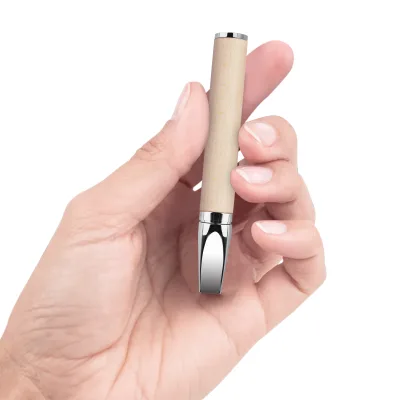
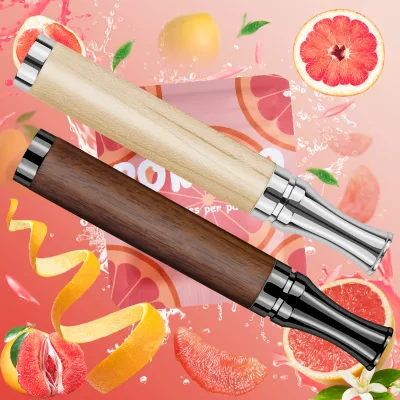
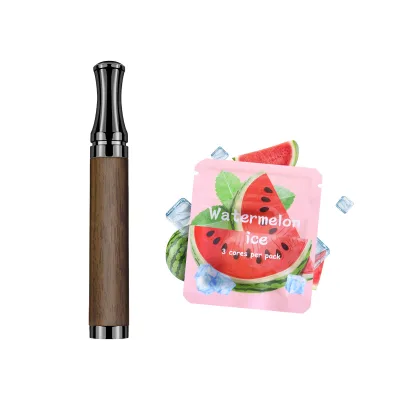


Comprehensive Sourcing Guide
Aromatherapy Smoking Cessation Inhaler Sourcing Guide
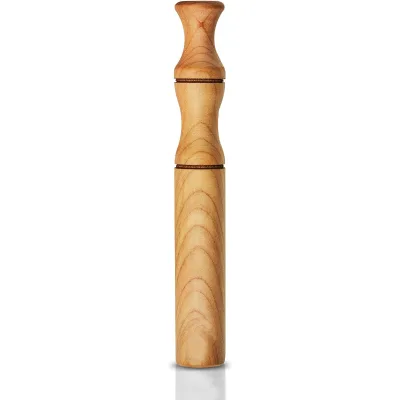
The market for aromatherapy smoking cessation inhalers presents a diverse range of options, primarily centered on natural and synthetic delivery mechanisms designed to support users in quitting tobacco. Observed listings indicate a strong emphasis on natural materials, with wood-based models like walnut and brown variants appearing alongside modern ABS plastic constructions. These products are generally categorized for external use, targeting daily consumption habits through creative and retro styling options that appeal to a universal demographic.
Buyers must carefully distinguish between products labeled as "Quit Smoking Inhaler Stick" and those with specific model identifiers like G-ASI or CHM-S, as material composition varies significantly. While some units are constructed from wood to offer a traditional aesthetic, others utilize ABS materials for durability and specific shape requirements like round profiles. Understanding these material distinctions is critical, as they directly influence the perceived value, user experience, and the specific customization capabilities available from different suppliers in the region.
Product Scope and Observed Listing Signals
Procurement data reveals a wide spectrum of product configurations, ranging from simple single-stick units to complex blister-packaged sets with varying standard weights. The observed listings include models with specific dimensions such as 11.3 cm in length, while others are defined by compact packaging standards like 10x5x3 cm. This variation suggests that suppliers offer distinct product lines catering to different market segments, from bulk wholesale to premium retail packaging, requiring buyers to align their selection with specific volume and presentation needs.
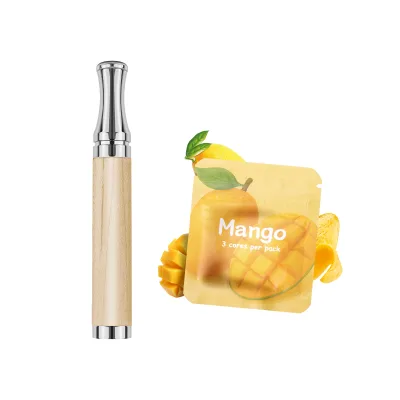
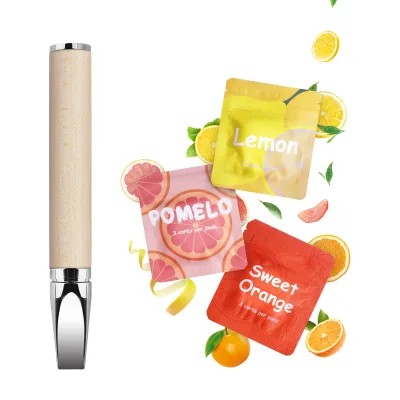
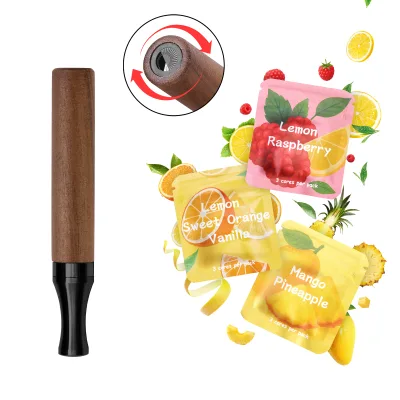
Customization is a dominant feature across the observed inventory, with suppliers explicitly accepting requests for custom logos, flavors, and packaging designs. The availability of OEM and ODM services allows buyers to tailor the product identity, including the acceptance of dozens of flavor customizations and specific color options like black or walnut. However, the presence of multiple model numbers and packing standards indicates that not every supplier offers the same level of flexibility, necessitating a clear definition of requirements before engaging with potential vendors.
Technical Specifications to Verify
When evaluating technical specifications, the material composition serves as a primary differentiator between product tiers, with wood and ABS being the most frequently cited options. Buyers should verify the exact material grade and finish, as some listings specify "Walnut Color" or "Brown, Wood" while others list "Black" ABS. These material choices impact the tactile experience and durability of the inhaler, and it is essential to confirm that the physical attributes match the intended brand positioning and user expectations for the final product.
Dimensional and weight specifications also require rigorous verification to ensure consistency across production batches. Listings show standard weights ranging from 2g to 25g, with specific model standards defining the unit count per package, such as 1 stick or 10x5x3 cm dimensions. Procurement teams must confirm that the physical size, such as the 11.3 cm length, aligns with ergonomic requirements and that the packaging standard, whether carton or box, meets the logistical constraints of the target distribution channel.
Compliance and Safety Documentation
Safety and regulatory compliance are paramount for products intended for external use and potential inhalation, even when marketed as aromatherapy aids. Some suppliers list certifications such as GMP, ISO, CE, and MSDS, which provide a baseline assurance of manufacturing quality and chemical safety. Buyers must request current, valid copies of these documents to verify that the specific production batch adheres to the claimed standards, as the presence of a certification on a general listing does not guarantee that every unit in a new order is covered.
Beyond general certifications, the specific formulation and flavoring agents used in the inhalers require detailed safety data sheets to ensure they meet the regulatory requirements of the destination market. The ability to customize flavors implies a complex supply chain for aromatic compounds, and buyers should demand proof that these custom ingredients are safe for the intended usage mode. It is crucial to confirm that the supplier maintains a robust quality management system that covers the entire production process, from raw material sourcing to final packaging.
Cost Drivers and Commercial Terms
Pricing in this category is influenced heavily by material costs, customization complexity, and order volume, with observed ranges spanning from $0.06 to $7.90 per unit. The significant variance suggests that basic, non-customized units are available at the lower end, while premium models with custom logos, specific flavors, or unique packaging command higher prices. Buyers should analyze the cost structure to understand how much of the price is driven by the base material versus the value-added services like OEM branding and flavor development.
Commercial terms and minimum order quantities (MOQ) vary widely, with observed MOQs ranging from 10 pieces to 50,000 units, reflecting the flexibility of different supplier tiers. Payment methods typically include PayPal and TT, but the specific terms may depend on the order size and the level of customization requested. It is advisable to negotiate payment schedules that align with production milestones, especially for large orders involving custom packaging or unique material specifications, to mitigate financial risk during the manufacturing process.
Supplier Qualification and Quality Control
Supplier qualification should focus on verifying the origin and production capabilities, as listings indicate origins in Henan, China, and Linyi, PRC. Buyers must confirm that the supplier has the infrastructure to handle the specific production requirements, such as the molding of ABS plastic or the finishing of wooden components. The presence of multiple model numbers and packaging standards suggests that some suppliers may operate as trading companies, so direct verification of the manufacturing facility is essential to ensure quality control and supply chain stability.
Quality control protocols must be explicitly defined before production begins, particularly regarding the consistency of flavor and the integrity of the packaging. Suppliers offering sample provision allow buyers to test the product physically, but these samples should be representative of the mass production run. Buyers should establish clear acceptance criteria for defects, such as color variations or packaging damage, and require a pre-shipment inspection report to ensure that the final goods meet the agreed-upon specifications and standards.
Long-Term Procurement Checks
Sustaining a successful procurement relationship requires ongoing monitoring of supplier performance against the initial quality and delivery benchmarks. Buyers should track the consistency of product attributes, such as the specific weight and dimensions, across multiple orders to detect any drift in manufacturing quality. Regular audits of the supplier's quality management system and certification status are necessary to ensure that the products continue to meet safety and regulatory requirements over time.
Strategic planning for long-term procurement involves assessing the supplier's ability to scale production and adapt to changing market demands. As the market for smoking cessation aids evolves, the supplier must demonstrate flexibility in updating product designs, flavors, and packaging to remain competitive. Establishing a clear communication channel for feedback and continuous improvement will help ensure that the partnership remains productive and that the supply chain can respond effectively to future business needs.
FAQs
What materials are used for the aromatherapy smoking cessation inhaler?
The aromatherapy smoking cessation inhaler is constructed from wood or ABS plastic depending on the specific model selected. Some units feature a walnut color while others are available in brown or black finishes. This variety allows buyers to choose a material that best fits their aesthetic and functional requirements for daily use.
Can I request custom branding for the aromatherapy smoking cessation inhaler?
Yes, custom branding is available for the aromatherapy smoking cessation inhaler through OEM and ODM services. Buyers can request custom logos and specific packaging configurations to match their brand identity. The supplier accepts customization requests for various product models to ensure the final item meets unique market needs.
What is the minimum order quantity for the aromatherapy smoking cessation inhaler?
The minimum order quantity for the aromatherapy smoking cessation inhaler starts at 10 pieces for sample orders. Larger bulk orders may require quantities up to 50,000 pieces depending on the specific product model and customization level requested. Buyers should verify the exact MOQ with the supplier before finalizing their purchase agreement.
Which certifications do the aromatherapy smoking cessation inhaler products hold?
Selected models of the aromatherapy smoking cessation inhaler hold GMP, ISO, CE, and MSDS certifications. These standards ensure the product meets safety and quality requirements for external use. Buyers should confirm specific certification details for the exact model number they intend to source to guarantee compliance with their local regulations.
How can I customize the flavor of the aromatherapy smoking cessation inhaler?
You can customize the flavor of the aromatherapy smoking cessation inhaler to dozens of options based on your preference. The supplier accepts flavor customization requests to create unique products for your target audience. This flexibility allows for tailored solutions that cater to specific consumer tastes while maintaining the core function of quitting smoking.
Where are the aromatherapy smoking cessation inhaler products manufactured?
The aromatherapy smoking cessation inhaler products are manufactured in China, with specific origins including Henan and Linyi. These locations serve as the primary production hubs for the various models available. Buyers can expect consistent quality from these established manufacturing regions when sourcing these cessation aids.
What payment methods are accepted for the aromatherapy smoking cessation inhaler?
Accepted payment methods for the aromatherapy smoking cessation inhaler include PayPal and Telegraphic Transfer. These options provide flexibility for international buyers to complete their transactions securely. Buyers should discuss specific payment terms with the supplier to ensure smooth processing of their order.